
Understanding the Importance of Patent Sketch Solutions
- PatentSketch Solutions
- Dec 1
- 4 min read

Updated: Dec 2
When you prepare a patent application, the drawings you submit are just as important as the written description. They help clarify your invention and can make the difference between approval and rejection. I have seen many cases where poor-quality or non-compliant drawings delayed the patent process or weakened the protection scope. That is why understanding patent drawing compliance standards and using reliable patent sketch solutions is essential.
In this post, I will guide you through the key reasons why patent drawings matter, explain the compliance standards you must follow, and share practical tips to ensure your drawings meet the highest quality. Whether you are an inventor, patent attorney, or IP professional, this information will help you strengthen your intellectual property portfolio.
Why Patent Drawings Are Crucial for Your Application
Patent drawings serve as a visual explanation of your invention. They complement the written description by showing the structure, components, and operation clearly. Here are some reasons why you should pay close attention to your patent drawings:
Clarify complex ideas: Some inventions are difficult to describe in words alone. Drawings make it easier to understand the invention’s design and function.
Meet legal requirements: Patent offices require drawings for many types of inventions. Without proper drawings, your application may be rejected or delayed.
Support claims: Drawings help define the scope of your claims. They provide evidence of what your invention covers.
Enhance communication: Clear drawings improve communication between inventors, attorneys, examiners, and potential licensees.
Prevent costly errors: Poor drawings can lead to misunderstandings or narrow patent protection, which can be costly in the long run.
By investing in high-quality patent drawings, you increase your chances of a smooth patent examination and stronger protection.

Understanding Patent Drawing Compliance Standards
Patent offices worldwide have strict rules about how drawings should be prepared. These patent drawing compliance standards ensure consistency, clarity, and fairness in the examination process. Here are some of the most important standards you need to know:
Format and size: Drawings must be on white, durable paper of a specific size (usually A4 or 8.5 x 11 inches). Margins must be respected to allow for binding.
Line quality: Lines should be clear, black, and of uniform thickness. Shading and colors are generally not allowed unless specified.
Views and perspectives: Drawings should include multiple views (front, side, top, cross-section) to fully illustrate the invention.
Reference numbers: All parts must be labeled with reference numbers that correspond to the description.
No text or annotations: Text is limited to necessary labels and reference numbers. Explanatory notes or marketing language are prohibited.
Number of sheets: The number of drawing sheets should be reasonable and not excessive.
Following these standards is not optional. Non-compliant drawings can cause delays, require costly corrections, or even lead to rejection of your patent application.
How to Ensure Your Patent Drawings Meet Standards
Meeting patent drawing compliance standards can be challenging, especially if you are not familiar with the technical requirements. Here is a step-by-step approach to help you get it right:
Review the patent office guidelines: Each patent office publishes detailed drawing requirements. Start by reading these carefully.
Use professional tools: Employ CAD software or specialized drawing programs designed for patent illustrations.
Label consistently: Assign reference numbers logically and ensure they match the written description.
Check line quality: Use black ink or digital lines with consistent thickness. Avoid colors unless allowed.
Include all necessary views: Provide multiple perspectives to fully explain your invention.
Avoid unnecessary details: Keep drawings clear and focused on the invention’s key features.
Proofread and verify: Double-check your drawings against the compliance checklist before submission.
If you are unsure or lack the time, consider outsourcing your drawings to experts who specialize in patent illustrations.
Leveraging Patent Sketch Solutions for Efficiency and Accuracy
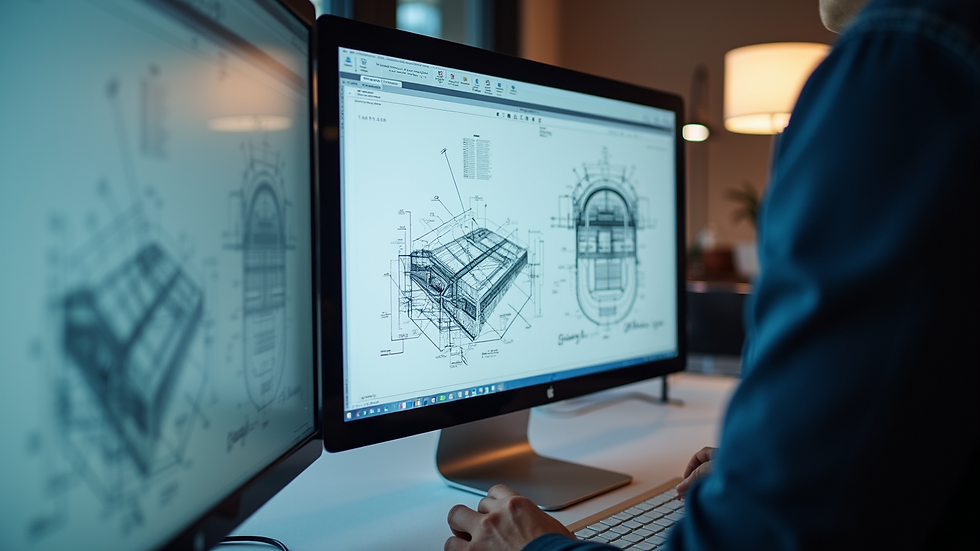
One of the best ways to ensure your patent drawings meet all compliance standards is to use a trusted service. I recommend exploring patent sketch solutions, which offer expert drafting tailored to patent requirements.
Here’s why partnering with a professional patent sketch provider makes sense:
Expertise in compliance: They understand the detailed rules and ensure your drawings meet all standards.
Faster turnaround: Professionals can deliver high-quality drawings quickly, helping you meet tight deadlines.
Cost-effective: Avoid costly revisions and delays by getting it right the first time.
Customization: They tailor drawings to your invention’s unique features and patent office requirements.
Support for multiple jurisdictions: If you file patents internationally, they can adapt drawings to different standards.
Using patent sketch solutions frees you to focus on other critical aspects of your patent application while ensuring your drawings are flawless.
Best Practices for Working with Patent Drawing Professionals
If you decide to work with a patent drawing service, here are some tips to get the best results:
Provide clear instructions: Share detailed descriptions, sketches, or prototypes to guide the illustrator.
Communicate early: Engage the service provider early in the patent drafting process to avoid last-minute rushes.
Review drafts carefully: Check the drawings for accuracy, completeness, and compliance before final approval.
Ask about revisions: Confirm how many revisions are included and the process for making changes.
Confirm delivery formats: Ensure you receive drawings in the formats required by your patent office (e.g., PDF, TIFF).
By following these steps, you can build a smooth collaboration that results in high-quality patent drawings.
Strengthening Your Intellectual Property Portfolio with Quality Drawings
High-quality, compliant patent drawings do more than just satisfy legal requirements. They strengthen your intellectual property portfolio by:
Enhancing patent enforceability: Clear drawings reduce ambiguity and make it easier to defend your patent rights.
Increasing licensing opportunities: Well-prepared drawings help potential partners understand and value your invention.
Supporting patent valuation: Detailed illustrations can improve the perceived value of your patents.
Facilitating international filings: Compliant drawings simplify the process of filing patents in multiple countries.
Investing in professional patent drawings is an investment in the long-term success of your innovation.
By understanding the importance of patent drawing compliance standards and leveraging expert patent sketch solutions, you can secure stronger, clearer, and more enforceable patents. Take the time to get your drawings right - it will pay off in the protection and value of your intellectual property.


Comments